Confectionery printer vs food printer — is it the same device?
„Confectionery printer" and „food printer" — both terms surface side by side in Google. Are they synonyms? When should you use which? We clarify the terminology and help you choose the right model.
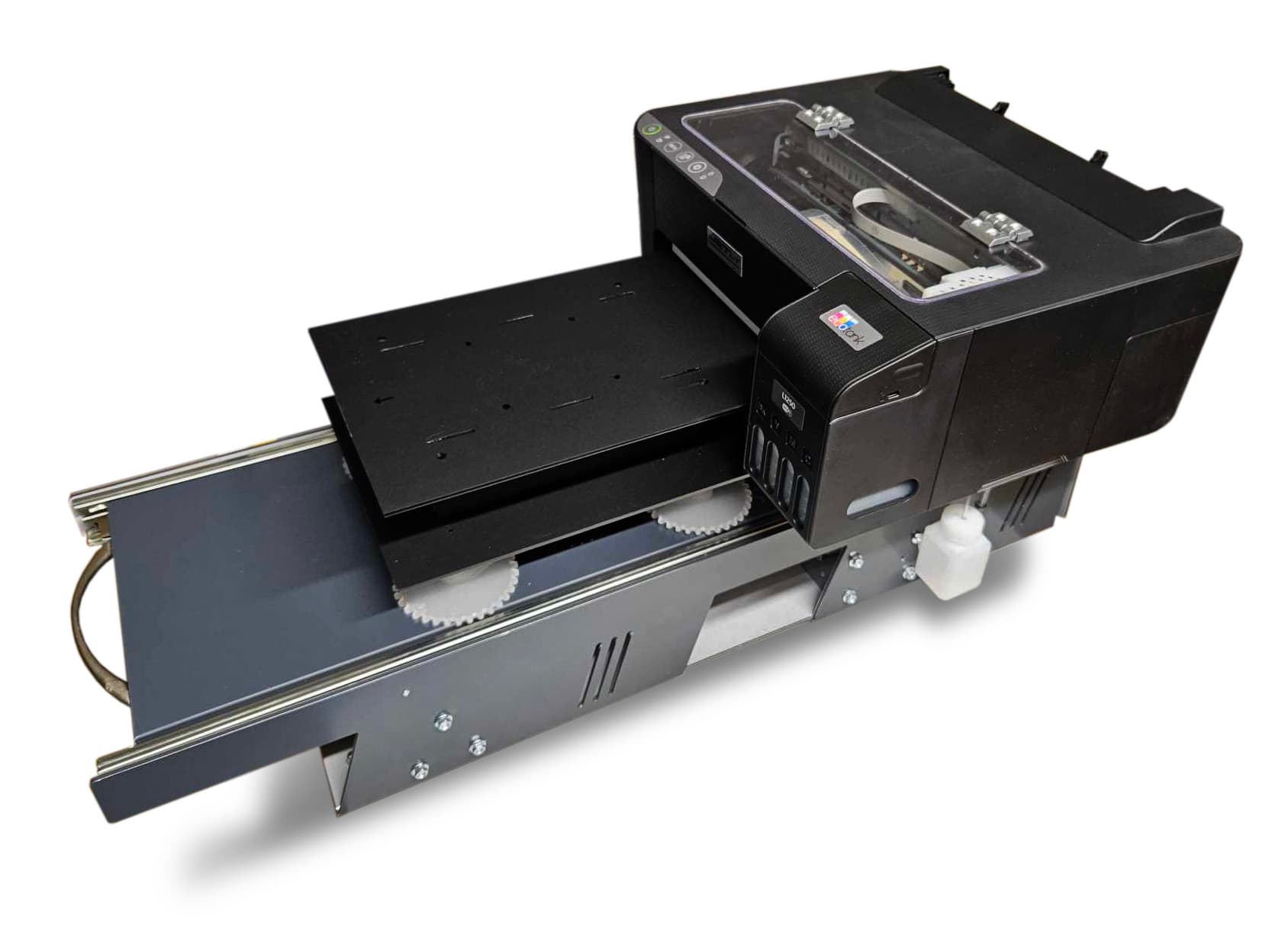
When you look for a device to print on cakes, cookies or chocolate, Google suggests both „confectionery printer" and „food printer". Both terms appear in shop descriptions, industry articles and model comparisons. Do they mean exactly the same device? In this article we explain the terminology, when each term is used, and how to pick the right model for a specific business.
Short answer — is it the same device?
Yes — in practice both terms refer to the same class of device: an inkjet printer with EU-certified food-grade CMYK inks that prints on edible surfaces. The difference is purely terminological and depends on context. „Food printer" is a broader concept covering print on any food product, while „confectionery printer" emphasises specialisation in the confectionery segment — cakes, cookies, chocolate and similar products.
Where did the two terms come from?
„Food printer" is the older, more general term borrowed from a broad category description. „Confectionery printer" emerged among professional pastry chefs and bakers who wanted to signal that the device targets their industry, not, say, food packaging. When a shop lists a product as a „confectionery printer" it usually implies a shop-ready model — with an adjustable platform for cakes, dedicated fondant-optimised inks and support in the customer's language.
Does the technical spec differ?
No — the technical specification stays the same. Whether you read „confectionery printer" or „food printer", the parameters are identical: Epson EcoTank inkjet head, EU-certified CMYK food-grade inks, an adjustable platform up to 150 mm high, A4 print format, 720×720 to 5760×1440 dpi resolution. Differences only appear at the accessory and support level — a model advertised as „confectionery" is more often shipped with a sugar-sheet kit, wafer paper and a manual in the client's language.
When to use which term?
- „Confectionery printer" — when your business is a bakery, chocolate workshop or dessert atelier
- „Food printer" — when you want to emphasise broader use cases (coffee, bread, edible packaging)
- „Edible printer" — a common consumer-friendly synonym in retail marketing
- „Cake printer" — narrow subset, dedicated to large cakes only
How to pick the model for your business?
- Define your main product (cake, cookie, chocolate, universal)
- Check whether the supplier offers language-native support and European service
- Ask about ink certifications (HACCP, ISO 22000)
- Compare the cost per print (0.15–0.30 euro/A4 is the market benchmark)
- Pick a dedicated model if you specialise in one product; a universal one if you plan a broad range
Frequently asked questions
Does a supplier of a „food printer" offer support for confectioneries? Usually yes — the technical parameters are identical, so the device works in any confectionery business. It is worth checking accessories availability (adjustable platform, sugar sheets, wafer paper) in the standard package. Does a „confectionery printer" work for packaging print? Yes — technically it is the same device, so printing on food-grade packaging paper is possible too. JetLT offers both dedicated confectionery models and a universal model that covers every food-printing use case.
Related articles: Food printer — complete 2026 guide • Which food printer to choose — 2026 comparison • How much a food printer costs
Related products
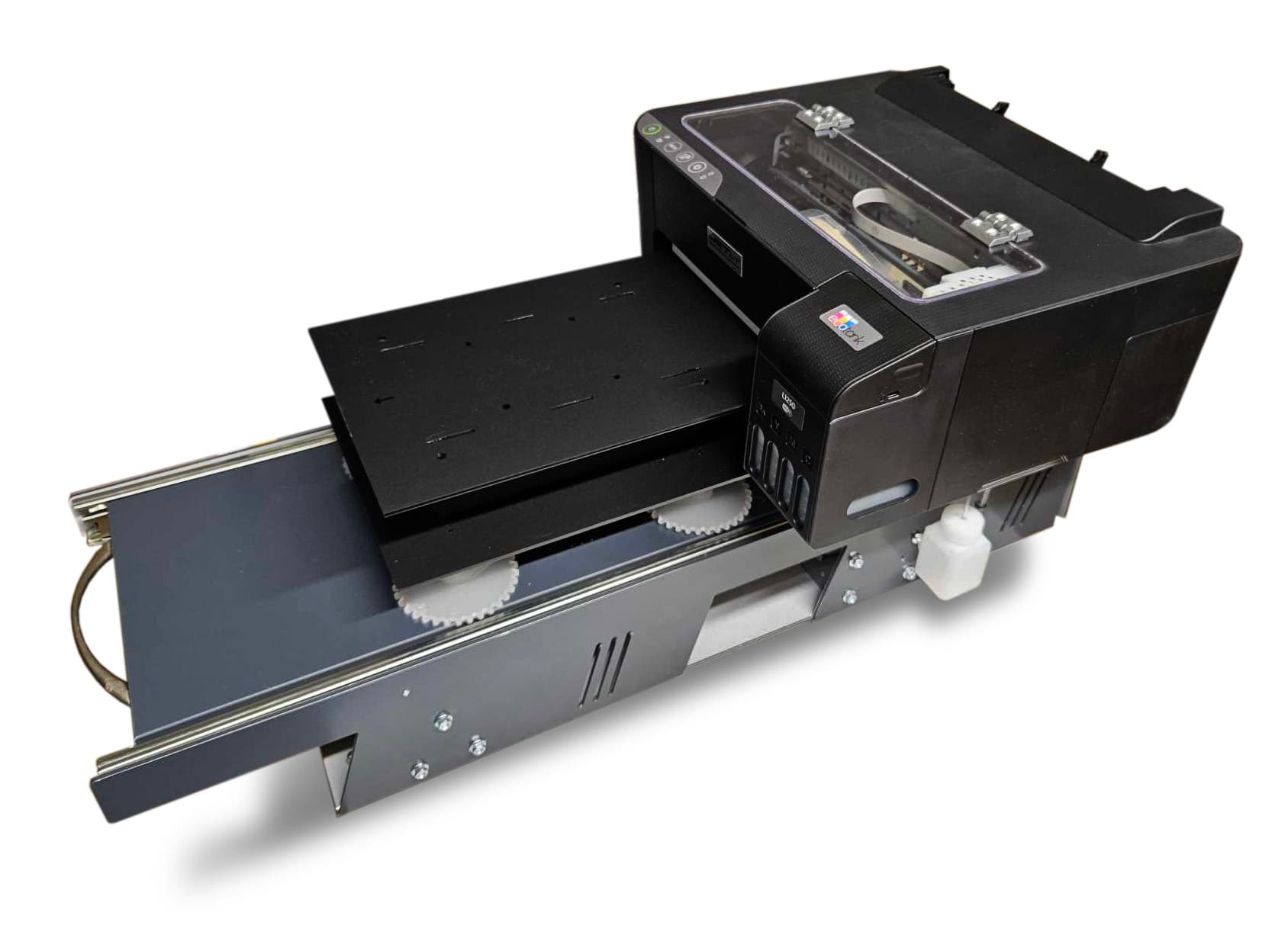
Universal Confectionery Printer
One printer — every confectionery task. The JetLT universal confectionery printer is suitable for printing on cakes, cookies, gingerbread, chocolate, sugar paste and many other products.
View productReady to start printing yourself?
JetLT food printer — from €1,600. 12-month warranty and initial training included.
Blog
Sugar sheets vs wafer paper — which to choose for your bakery?
Sugar sheets and wafer paper are the two most common edible print substrates, but their properties differ. We compare them for cakes, cookies, chocolate and storage.
Edible printouts — technology and applications in confectionery
Edible printouts cover printing on cakes, cookies, chocolate, wafer paper and sugar sheets. We explain how the technology works, its limits, and which food printer model to choose.